
Nasveti za bodoče starše
Preberi si naše najnovejše prispevke
First Days in a Slovenian Maternity Ward & Official Postpartum Procedures: An Expat Guide
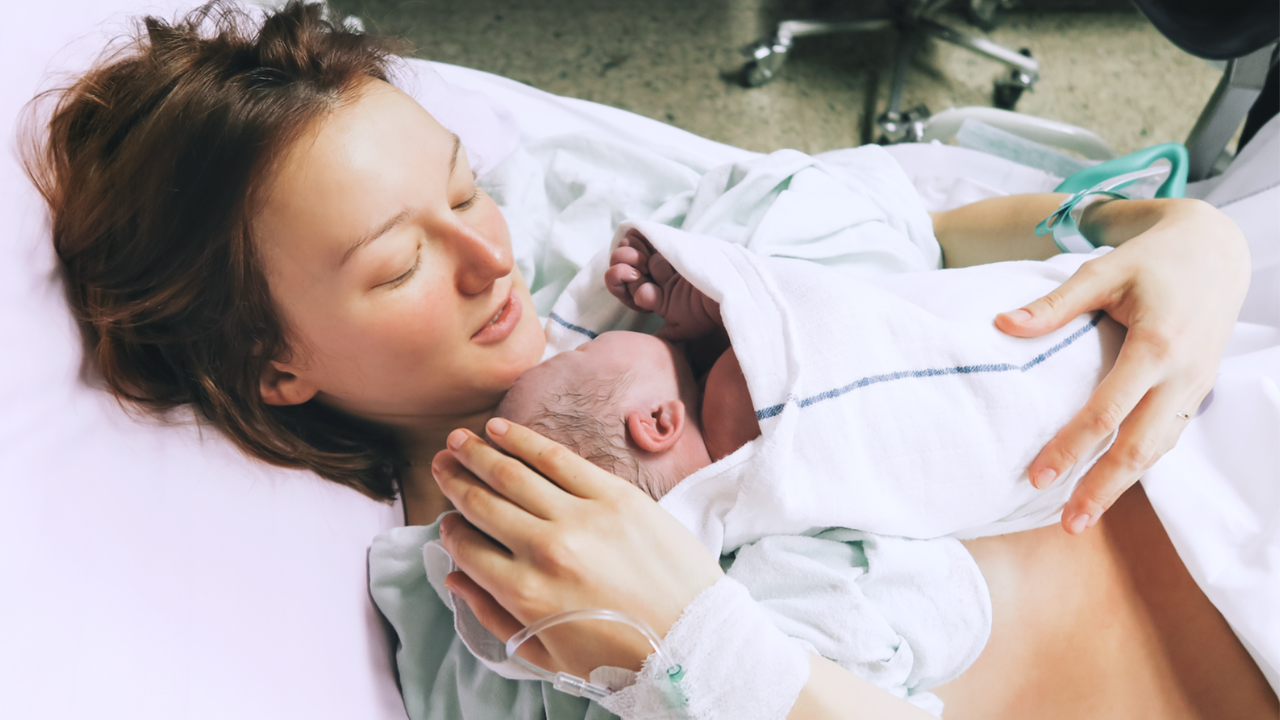
Giving birth in Slovenia as an expat involves specific hospital routines, medical care, and legal administrative requirements. Following an uncomplicated vaginal delivery, mothers typically stay in the maternity ward (Porodnišnica) for 2 to 3 days.
This guide details essential delivery room procedures, newborn screening tests, and mandatory bureaucratic steps—including registering for a birth certificate (Rojstni list), health insurance (ZZZS), and applying for parental leave through the Social Work Centre (CSD).
1. What to Expect in the Delivery Room & Postnatal Ward
Slovenian maternity hospitals place a high emphasis on immediate bonding, skin-to-skin contact, and early breastfeeding support.
Standard Delivery Room Procedures
Immediately following delivery, the medical team conducts standard primary care measures:
-
Cord Clamping & Physical Measurements: Delayed cord clamping is standard practice where clinically appropriate. The medical staff records your newborn’s weight,
...
Online Parenting Classes for Expats in Slovenia: Preparing for Birth and Healthcare Requirements

Expecting a baby in a new country can feel overwhelming. Navigating the Slovenian healthcare system, understanding hospital protocols, and obtaining the required official certificate for your partner to attend the birth are among the top concerns for foreign mothers and expat families residing in Slovenia.
To bridge this gap, Šola za starše® offers comprehensive online parenting classes for expat parents, designed specifically around official Slovenian maternity hospital standards.
Navigating Pregnancy and Maternity Care in Slovenia
Giving birth in a foreign country comes with unique challenges:
-
Hospital Certificates (Potrdilo za porodnišnico): Slovenian maternity hospitals require partners to present an official certificate of completed parenting classes to be present in the delivery room.
-
Language Barriers: Local in-person classes in health centers (Zdravstveni dom) are conducted exclusively in Slovenian, often with limited availability or seasonal closures during sum
...

